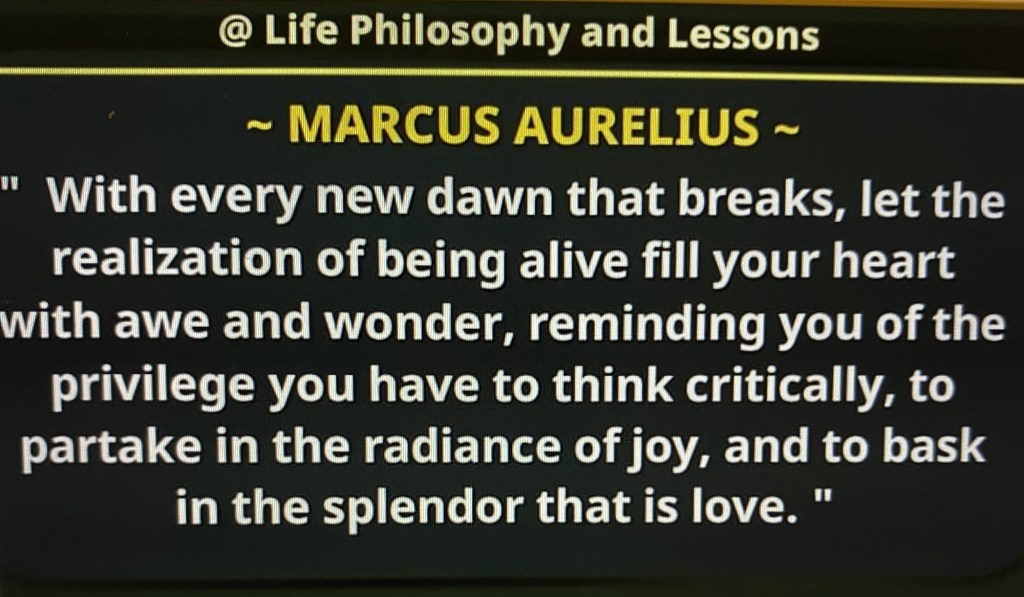
The words, “Optimism Is a Choice” were said by Queen Raina of Jordan on the Today Show recently. She connected this to Values, and talked about the importance of the Values parents instill in their children affecting their choices related to many things, including technology. The Values affect whether or not healthy habits are developed. While I believe this is true and applaud Queen Raina’s focus on the connection of Values to Habits, I find Optimism is a subject much broader, and worthy of discussion in and of itself.
It is hard to be optimistic with so many world problems facing us, the most recent being the tragedy in Israel. It would be irresponsible to fail to acknowledge this. While we grieve this tragedy and should do anything we can to show our support for Israel, we should not allow current events to weaken our resolve to be optimistic. It is likely that with all the complexities of our world, we can expect that serious problems will always be with us. In spite of this, we can still be optimistic.

What is Optimism? The dictionary definitions are consistent. Wikipedia’s definition is: “An attitude reflecting a belief or hope that the outcome of some specific endeavor, or outcomes in general, will be positive, favorable.” Another way to say this is they “expect the best.” Optimists believe good things will happen, by their own efforts and hard work, and that they will accomplish their desired goals. Optimists are sometimes thought of as having rose-colored glasses. To some, they are not realistic. But true optimists are not unrealistic, they just see the world in a positive light and believe that good will prevail.
Pessimism is the opposite of optimism. Pessimism is believing that the worst will happen. Pessimists lack hope and confidence in the future.
Optimism and Pessimism can be thought of on a scale, and many, and maybe even most, people are not one or the other all the time. But we do have a tendency for one or the other and are more one or the other in general much of the time.
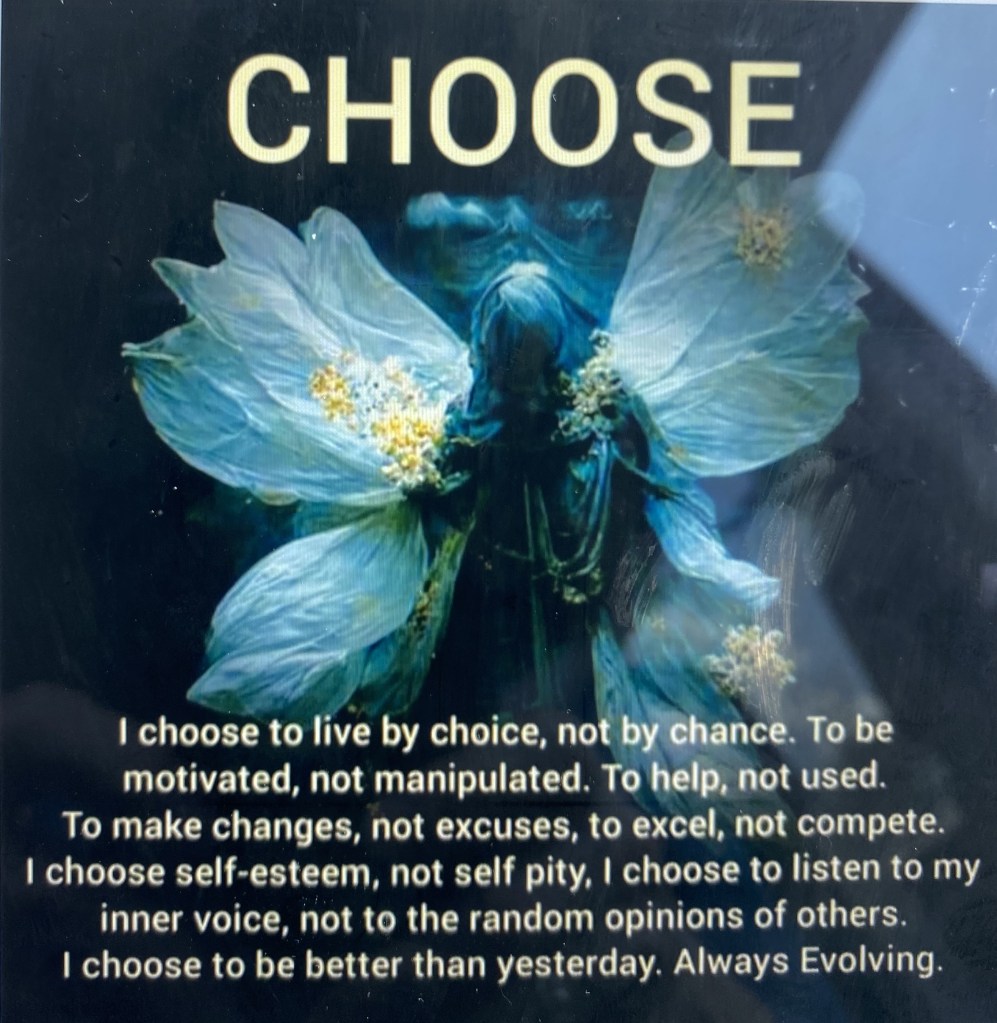
Given the choice, which would you rather be? Would you rather believe in the innate goodness of life, believing that good things will happen and that you can work to make that so? Or would you rather be skeptical, failing to see that you have the ability to make good things happen, believing that you are at the mercy of external forces, and that if good things happen, they are random, and not likely to be repeated?
Back to the title for a moment. Optimism is a choice. Even if we are more driven to skepticism, we can choose to change that. We can decide to look for the good, expecting good things to happen. When good things don’t happen, when we fail, we can dust ourselves off, pick ourselves up, and commit to meeting the future with a positive outlook and even harder work. Why would we choose to do otherwise?
Optimism is a choice. Choosing Optimism reflects a belief not just in the innate goodness of life and others. It reflects our belief in ourselves. Belief in ourselves as capable and worthy. Belief is reflective of confidence, not arrogance. Confident Optimism.


 It's In The Sauce!
Lovely post and of course the photo of Daddy, you, and Mike warms my heart ♥️
Thank you , dear friend. It was a special visit with all of you!