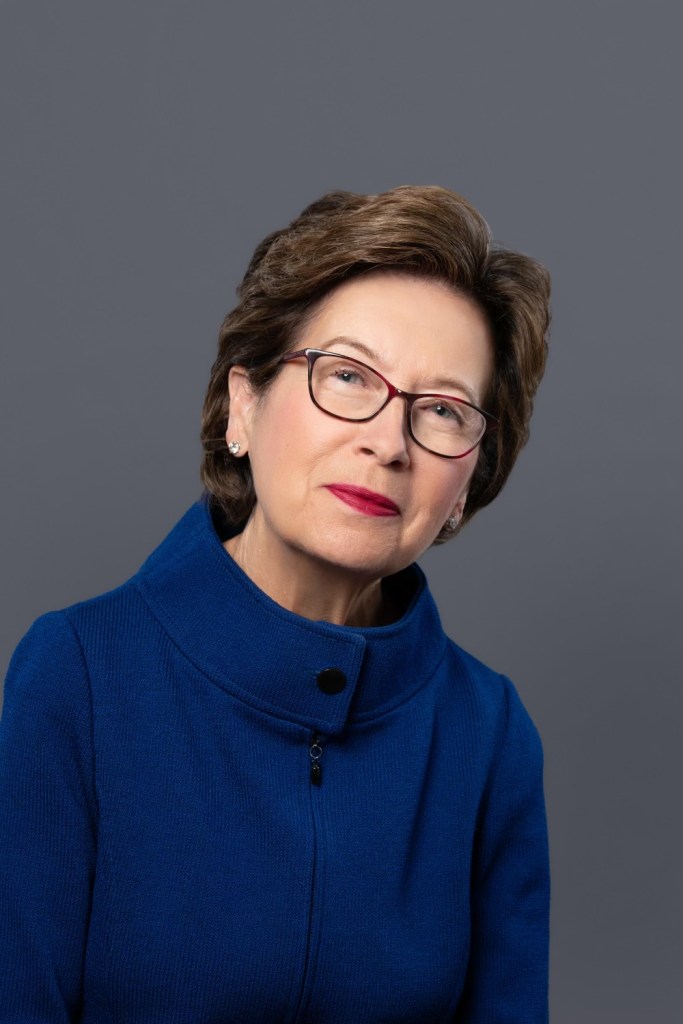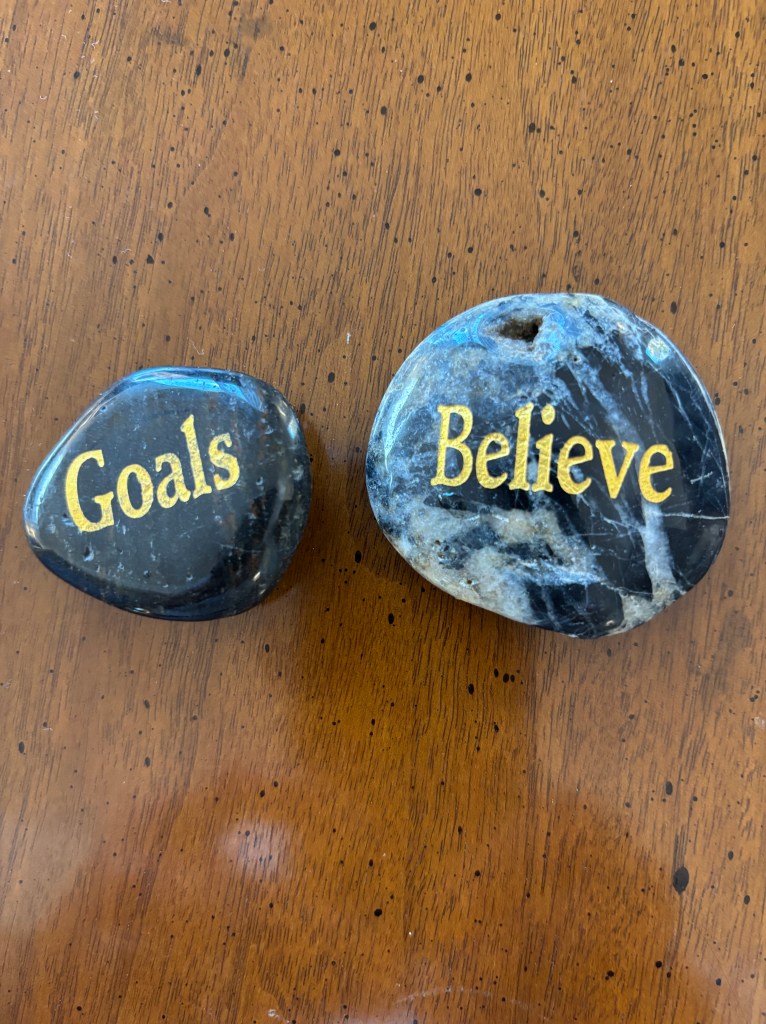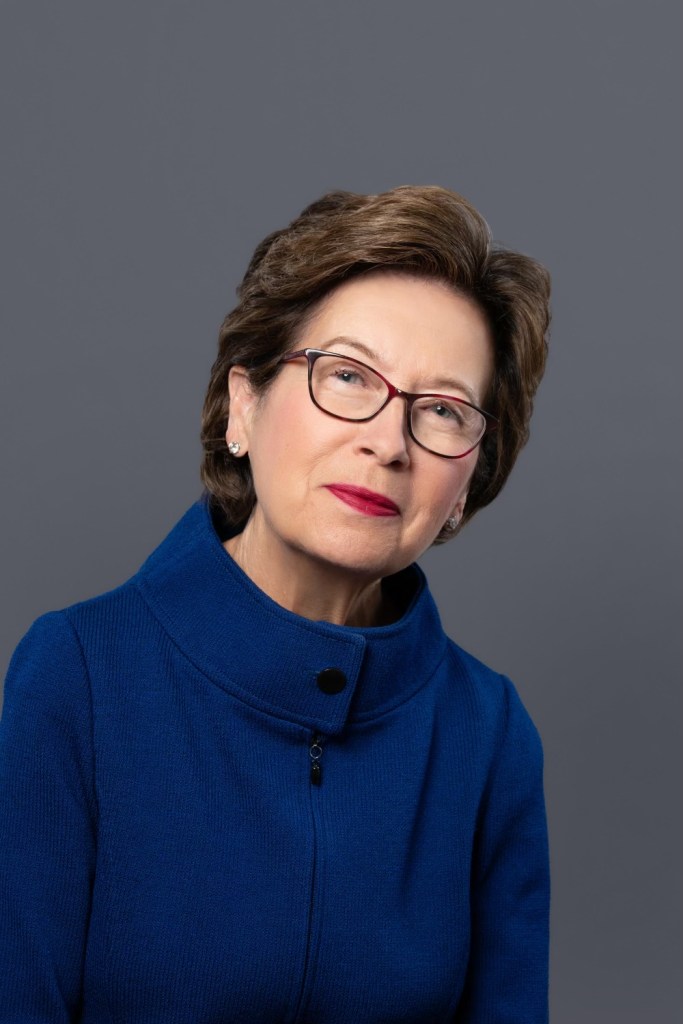
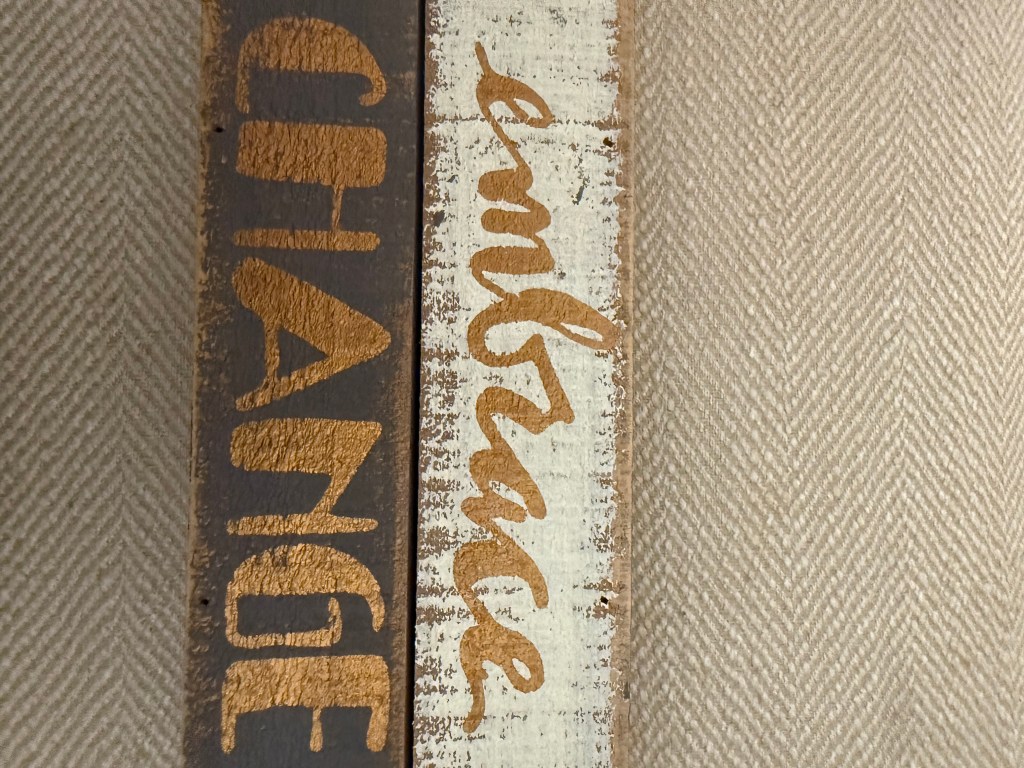
I have written about and spoken about managing change for many years. But managing change is different than embracing change. Just like many other subjects I write about, I write what I need to learn. One thing I need to learn more about is embracing change. While I have certainly experienced much change in my soon to be 75 years, I have not always, or even often, embraced it. In fact, too often I have resisted change instead of embracing it.
You have likely heard the phrase, “The only constant is change.” You may not have heard this phrase:”The only one who really likes change is a wet baby!” “The only constant is change” is attributed to the Greek philosopher Heraclitus.(c. 535-475 BCE). “The only one who really likes change is a wet baby” is attributed to a business consultant who I worked with in the mid 80’s to mid 90’s, Marilyn Moats Kennedy.
If change is constant, and no one but a wet baby likes change, where does that leave us? Perhaps we need to get better at dealing with change, even embracing it. Like many other truths, easier said than done.
We can probably agree that change is constant, and also that we adults, regardless of our age, do not really like change. But can we agree that we should choose to not resist change, and in fact, that we should embrace it?
I can feel some reading this thinking, “That isn’t me; I like change!” Maybe, maybe not. it is true that some are more variety driven than others, that some get bored with routine easily, and may in fact like change more than some others. But while this is true, even those who think they like change really only like change they think they can control! And you do not need to be nearing 75 like me to have experienced much change that is outside of your control. You have also probably experienced change that has been more negative than positive.
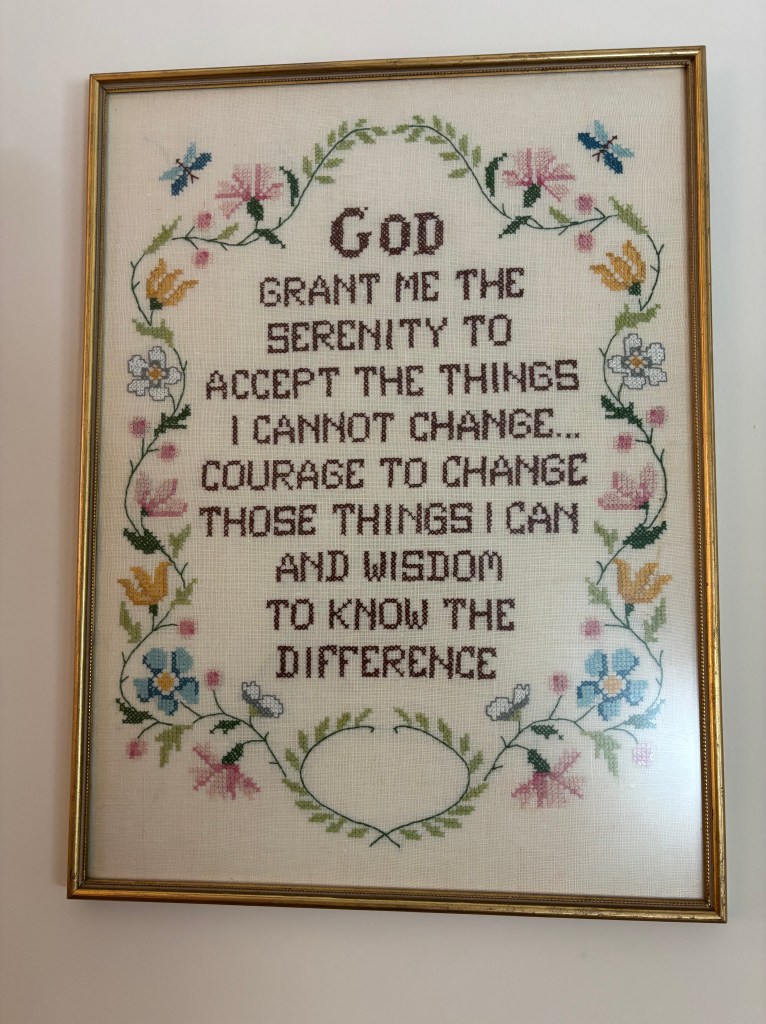
What does embracing change really mean, and what does it involve? First of all, embracing change does not mean embracing all of it. It means to fully accept what we can’t change, and to move forward with it. It may just mean accepting the change, not resisting it.
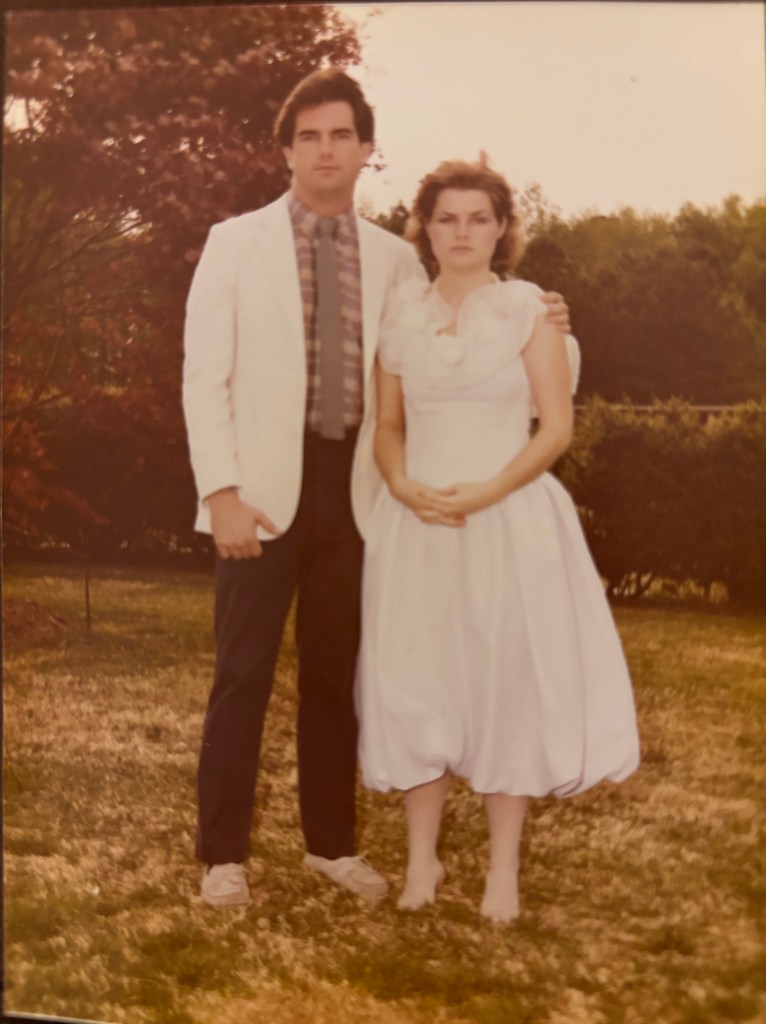
When I think of major changes in my life, the changes that come to mind are my first marriage, the birth of my daughter,Tara; the breakup and divorce from my first husband; my remarriage to Mike and uniting him and his daughter, Chatham, from his first marriage with mine; building our forever home; the loss of my job, and starting and building my leadership development business. There was also the marriages of our daughters. Then came the birth of precious grandchildren. All of those changes occurred from 1971- 2022. Then in early 2023 we sold our forever home and downsized to a much smaller and very different home, a change that I was unable to resist, but in no way embraced. Mike and I both slowed down career wise, and began to live a life very different from the one we had lived.
You can see the changes I recounted included some negative changes and some positive ones. Many of the changes were due to normal life events. Some related to choices we made, but not all. Some of the changes were a result of actions we took, and others were a result of dealing with things that happened outside of our control. Most of the changes were due to what we accepted. The main way we embraced the changes was to deal with the reality with which we were faced.
How about you? Can you do a chronological recording of major changes in your life? As you think about these things, what insight do they give you? What information from this analysis can help you better embrace change(s) in your life?
Embracing change first of all means accepting reality, not trying to hold on to that which is changing. Embracing change means moving forward, not resisting change that can’t be controlled. It means moving with the change (s).
Sometimes embracing change means creating a new life, and learning to not just tolerate it, but learning to enjoy it. Trying to hold on to that which is ending only keeps us stuck.
As we embark on the last quarter of 2026, how do you plan to embrace change and move forward?